Pruning is one of the most common activities in gardening. Whether you grow flowers, vegetables, fruit plants or ornamental plants, regular trimming helps you manage plant growth and maintain your garden.
But choosing the right cutting tool matters.
Pruning shears are useful hand tools for trimming stems, small branches, flowers and unwanted plant growth. However, not all pruning shears are the same. Different blade designs, handle styles and cutting mechanisms are suited to different gardening requirements.
If you are wondering which pruning shears to buy, how bypass pruners work, or what size is suitable for your plants, this guide will help you make an informed choice.
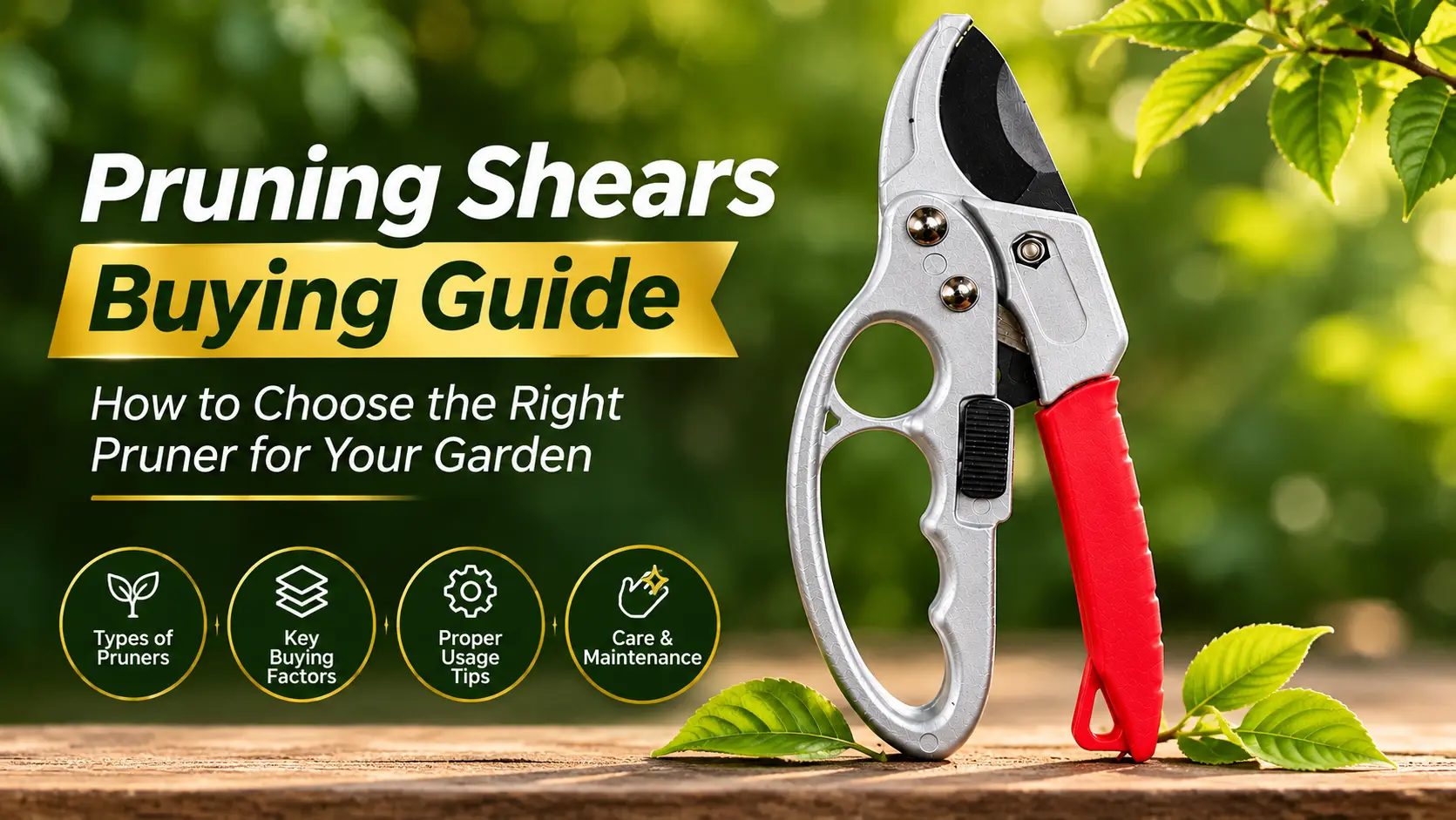
In this article, we explain the different types of pruning shears, what to look for before buying, how to use them correctly and how to maintain them.
1. What Are Pruning Shears?
Pruning shears, also called garden pruners or hand pruners, are hand-operated cutting tools used to trim plants and small branches.
They are commonly used for:
- Trimming unwanted plant growth.
- Cutting suitable small branches.
- Removing dry or damaged stems.
- Maintaining flowering plants.
- Trimming herbs and garden plants.
- General home gardening and plant maintenance.
Pruning shears are particularly useful when you need more control than ordinary scissors can provide.
The right pruning shear should fit comfortably in your hand, have a suitable cutting mechanism and be appropriate for the thickness of the material you intend to cut.
2. What Are the Different Types of Pruning Shears?
Before choosing a pair, understand the main cutting mechanisms.
A. Bypass Pruning Shears
Bypass pruning shears work similarly to scissors. One sharp blade passes alongside another blade as the handles are squeezed.

They are commonly chosen for trimming live stems and suitable small branches because the cutting action can produce a clean, close cut when the blades are sharp and properly aligned.
Suitable uses include:
- Trimming live plant stems.
- Cutting flowers.
- Maintaining shrubs.
- General plant pruning.
- Removing suitable small branches.
B. Anvil Pruning Shears
Anvil pruning shears use a different mechanism. One sharp blade closes against a flat or shaped surface called an anvil.
They can be useful for certain dry or dead material, depending on the design and condition of the tool.
For live stems, consider whether the design may crush or damage the plant tissue. A properly maintained bypass pruner is often a suitable choice for clean cuts on live growth.
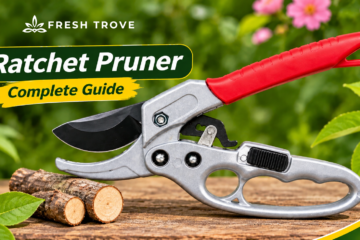
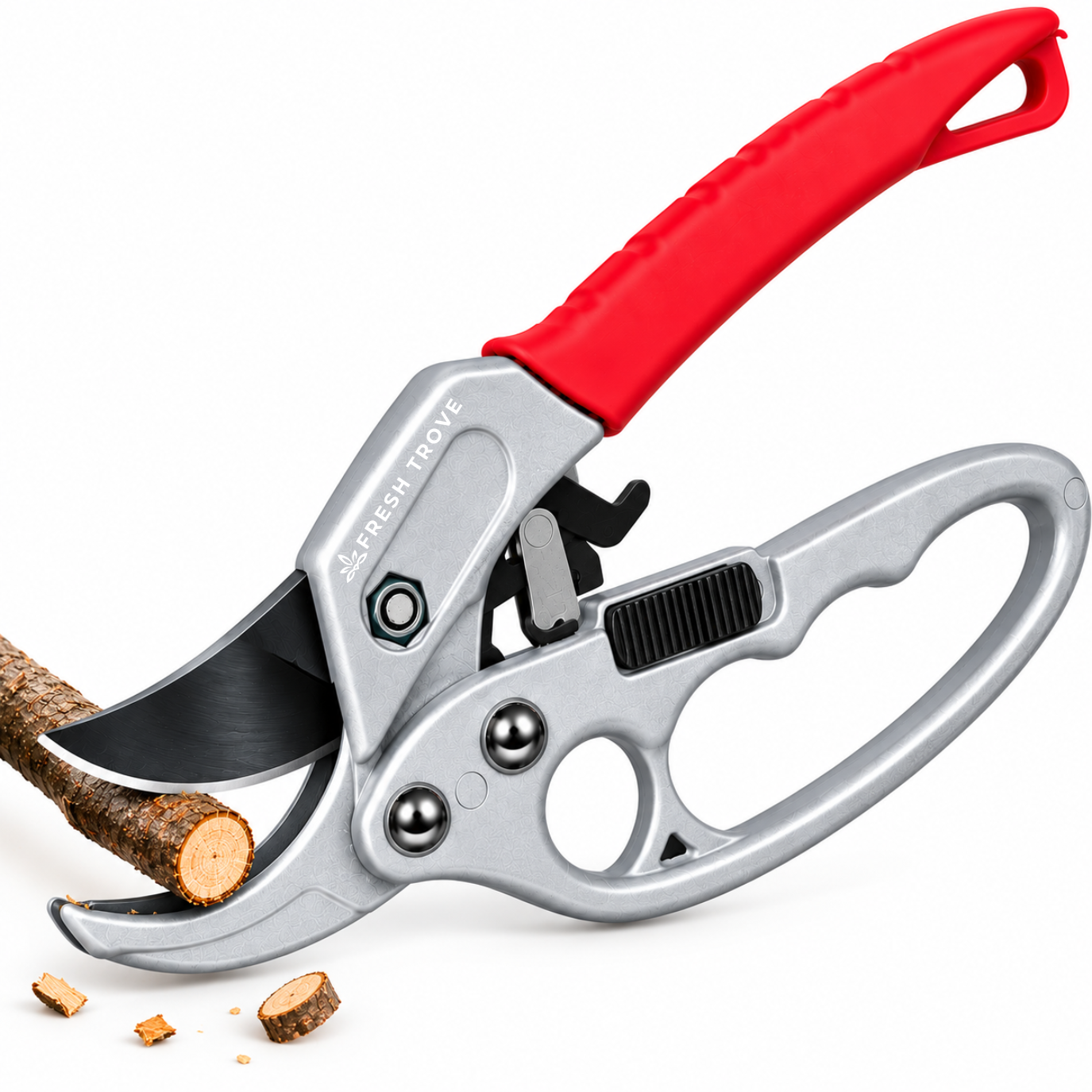
C. Ratchet Pruning Shears
Ratchet pruners use a mechanism that allows the cutting action to happen in stages rather than requiring one continuous squeeze.
They may be useful for people who prefer a staged cutting action or find ordinary squeezing difficult.
Always check the product’s mechanism, cutting capacity and handling requirements before buying.
3. Bypass vs Anvil Pruners: Which Should You Choose?
This is one of the most common questions people ask when buying pruning shears.
| Feature | Bypass Pruner | Anvil Pruner |
|---|---|---|
| Cutting action | Two blades pass each other | Blade closes against an anvil |
| Common application | Live stems and suitable branches | Often useful for dead or dry material |
| Cutting result | Can make a clean, close cut | Depends on blade and anvil design |
| Maintenance | Keep blades clean and sharp | Keep blade and cutting surface in good condition |
Which one should you choose?
For general plant maintenance and trimming live stems, a bypass pruner is a practical option to consider.
For dry or dead material, an anvil pruner may be suitable depending on its design.
The most important factors are sharpness, cutting capacity, correct technique and the type of plant material being cut.
4. How to Choose the Best Pruning Shears for Plants
Choosing the right pruning shears is not just about appearance or price. Consider these important points before purchasing.
A. Blade Material
Check the blade material mentioned in the product specifications.
Different blade materials have different characteristics. For example, stainless steel is known for its corrosion resistance, while other types of steel may have different hardness and maintenance requirements.
Do not choose based on the material name alone. Consider the overall blade construction and care instructions.
B. Cutting Mechanism
Choose a cutting mechanism suited to the type of pruning you perform.
- Bypass pruners for suitable live stems and plant growth.
- Anvil pruners for suitable dry or dead material.
- Ratchet pruners if you prefer a staged cutting action.
C. Handle Comfort and Grip
Pruning involves repeatedly opening and closing the handles.
Look for:
- A comfortable handle shape.
- A grip that feels secure in your hand.
- A suitable handle size.
- A spring mechanism that operates smoothly, if fitted.
If possible, hold the tool before purchasing. A pruner that feels uncomfortable may be difficult to use for extended periods.
D. Size and Weight
An easy-to-handle pruner can make regular gardening tasks more convenient.
Consider the overall length, weight and handle opening. Choose a size that you can control comfortably.
An 8-inch pruning shear is one option for general garden maintenance, but the right size depends on your hand size and intended use.
E. Safety Lock
Some pruning shears include a safety lock that keeps the blades closed when the tool is not being used.
If a locking mechanism is included, check that it opens and closes properly. Store the pruner with the blades secured.
F. Maintenance Requirements
Pruning shears need regular care.
Look for a design that allows you to clean the cutting area and inspect the blade, spring and moving parts.
A sharp, clean cutting edge is important for effective pruning.
5. What Size Pruning Shears Should You Buy?
The correct size depends on the work you intend to do and how comfortably you can operate the tool.
Hand pruning shears are generally intended for small stems and branches. Their practical cutting limit varies with the tool design, blade condition and hardness of the wood.
As a general buying guide:
- For flowers and soft stems, choose a comfortable hand pruner suitable for delicate trimming.
- For ordinary garden maintenance, consider a versatile hand pruner with a suitable cutting head.
- For branches that are too thick for hand pruners, use an appropriate lopper or pruning saw instead.
Do not force pruning shears through a branch that is too thick. This can damage the plant and the tool.
For example, Colorado State University Extension notes that hand pruners are generally used for small limbs around ¼ to ½ inch in diameter, depending on wood hardness. Other extension guidance gives different ranges, reinforcing the importance of following the tool manufacturer’s specifications rather than assuming one capacity applies to every pruner.
6. Can Pruning Shears Cut Thick Branches?
Pruning shears are designed for relatively small stems and branches, not large tree limbs.
Trying to cut material beyond the tool’s capacity can:
- Damage or misalign the blades.
- Strain the handles and spring.
- Leave torn or uneven cuts.
- Damage the plant.
For thicker branches, choose a suitable tool:
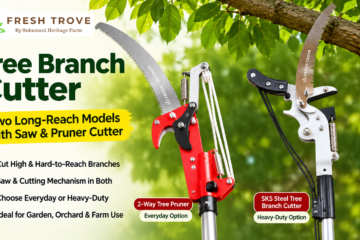
- Loppers: Longer handles provide additional leverage for suitable larger branches.
- Pruning saws: Useful when a branch is too thick for hand pruners.
- Long-reach tree pruners: Useful for branches that are difficult to reach from the ground.
Choosing the right tool for the branch is better than forcing a smaller tool to do a job it was not designed for.
7. How to Use Pruning Shears Correctly
Using pruning shears correctly helps you control the cut and avoid unnecessary damage.
Follow these basic steps:
Step 1: Inspect the plant
Identify the stem or branch you want to remove. Make sure it is suitable for your pruning tool.
Step 2: Check the pruner
Inspect the blade, spring, handles and locking mechanism. Make sure the cutting action operates smoothly.
Step 3: Position the cutting blade
For bypass pruners, position the sharp cutting blade towards the plant portion you intend to keep, where practical. This helps achieve a close cut.
Step 4: Make a controlled cut
Hold the handles securely and make a clean cut without twisting or forcing the tool.
Step 5: Clean the tool
Remove plant residue and sap after use. If you have been pruning diseased plants, clean and disinfect the tool appropriately before using it on another plant.
8. How to Clean and Maintain Pruning Shears
Regular maintenance helps keep your pruning shears in usable condition.
Clean the Blades After Use
Wipe away dirt, sap and plant residue. Stubborn sap may require a suitable cleaning product that is safe for the tool’s materials.
Keep the Cutting Edge Sharp
A dull blade can make cutting difficult and produce poor cuts. Sharpen the cutting edge according to the manufacturer’s instructions.
Check the Spring and Moving Parts
Inspect the spring, pivot bolt and handles regularly. Make sure the handles open and close smoothly.
Prevent Rust
Dry metal parts after cleaning. Apply a light protective oil where recommended by the manufacturer.
Store Safely
Close the blades, engage the safety lock if available and store the pruner in a dry place away from children.
If you are pruning plants that may carry disease, clean and disinfect the cutting tool between plants as appropriate.
9. Fresh Trove Garden Pruners: Which One Should You Choose?

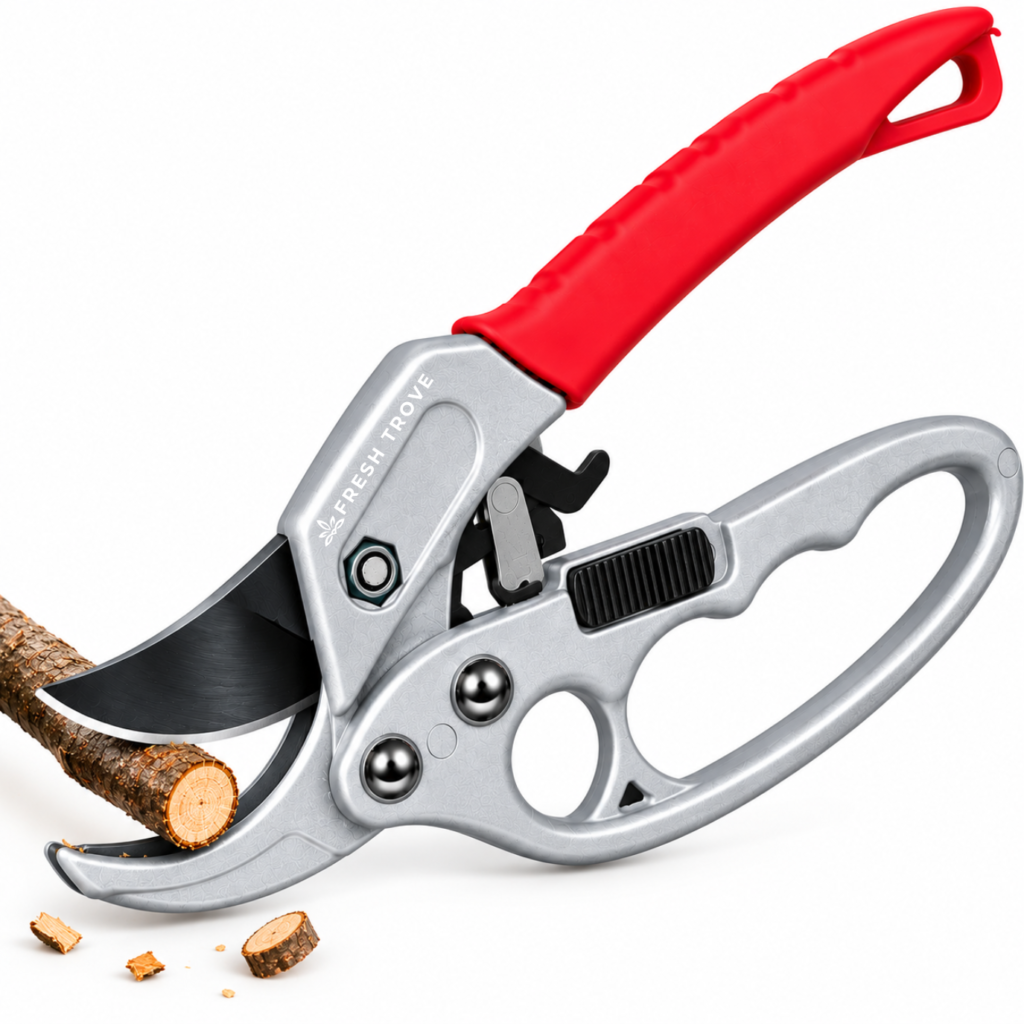
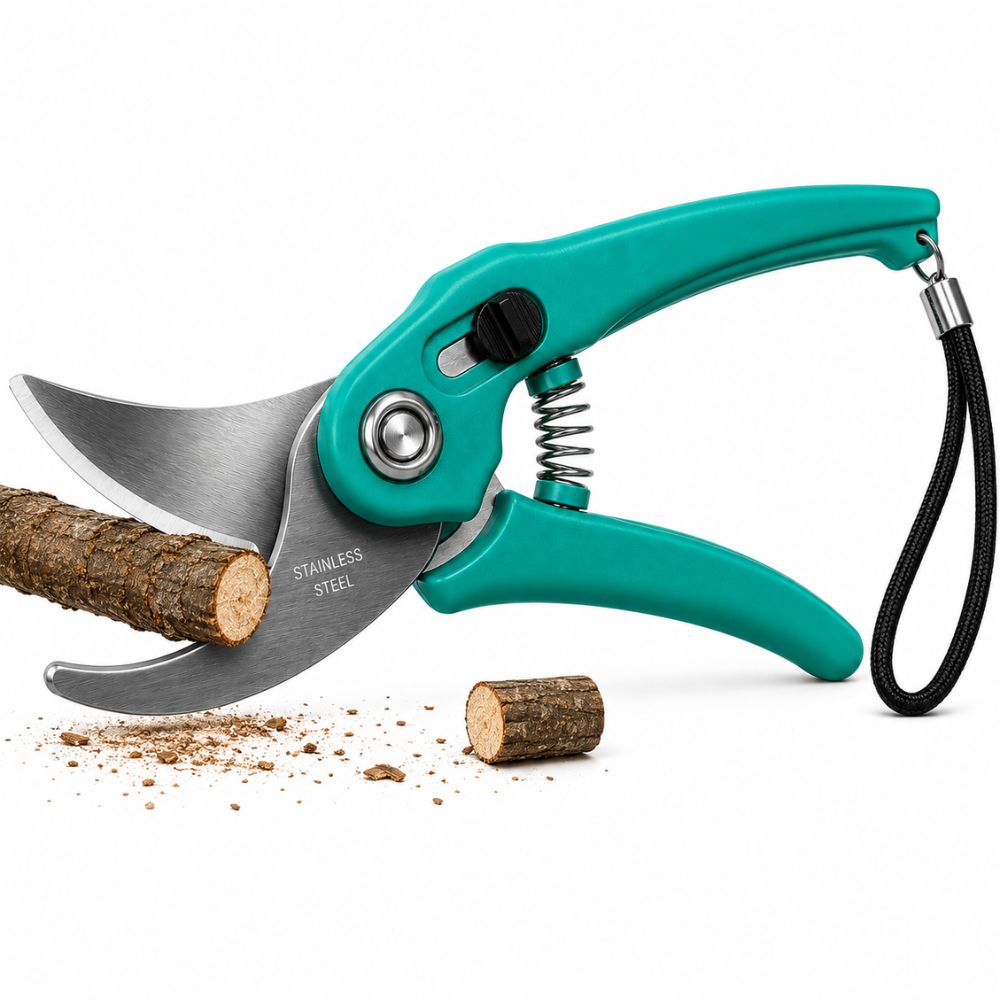
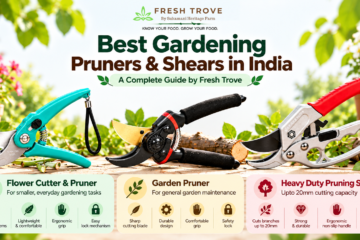
Fresh Trove offers practical hand pruning tools for different gardening requirements.
Here are two options to consider.
Fresh Trove 8-Inch Garden Pruning Shears
The Fresh Trove 8-Inch Garden Pruning Shears are a hand-held garden pruner designed for everyday plant and garden maintenance.
Product highlights:
- 8-inch garden pruning shear design.
- Bypass-style cutting mechanism.
- Spring-assisted opening.
- Safety lock.
- Comfortable grip design.
This model is worth considering if you are looking for a practical hand pruner for regular gardening tasks.
View product: https://www.amazon.in/dp/B0HHNVTFHJ
Fresh Trove SK5 Steel Garden Pruner
The Fresh Trove Stainless Steel Garden Pruner is another option in the Fresh Trove hand-pruner range.
It is designed for users looking for a stainless steel garden pruning tool for plant and garden maintenance.
Before purchasing, check the product listing for its exact specifications, dimensions and included features.
View product: https://www.amazon.in/dp/B0HP3HFCDQ/
Which Fresh Trove Pruner Should You Choose?
Consider the product specifications and the type of gardening work you regularly perform.
If you want the 8-inch bypass-style model with its specified spring and safety-lock features, explore the first option.
If you prefer a stainless steel garden pruner, compare the second option’s listing and specifications before deciding.
Always select a pruner based on the actual cutting requirements of your plants.
10. Frequently Asked Questions About Pruning Shears
1. What are pruning shears used for?
Pruning shears are used for trimming plant stems, flowers, small branches and unwanted growth. They are common tools for home gardening and plant maintenance.
2. Which pruning shears are best for home gardening?
The right pruning shears depend on the plants you maintain, the size of the stems and your comfort when handling the tool. A suitable bypass hand pruner is a practical choice for many everyday plant-trimming tasks.
3. What is the difference between pruning shears and garden scissors?
Garden scissors are generally used for lighter cutting tasks such as trimming leaves and flowers. Pruning shears are designed for more demanding plant-trimming work and suitable small branches.
4. Are bypass pruning shears better than anvil pruners?
Bypass pruners are often preferred for cutting live stems because their scissor-like action can make clean, close cuts. Anvil pruners may be suitable for certain dry or dead material. The right choice depends on the design and intended use.
5. Can pruning shears cut tree branches?
Yes, hand pruning shears can cut suitable small branches within their specified capacity. Larger branches require a suitable lopper or pruning saw.
6. How often should pruning shears be sharpened?
There is no fixed schedule. Sharpen them when the cutting edge becomes dull or cutting performance decreases. Follow the manufacturer’s sharpening instructions.
7. How do I prevent pruning shears from rusting?
Clean and dry the blades after use. Apply a light protective oil if recommended for the product, and store the tool in a dry place.
8. Are stainless steel pruning shears good?
Stainless steel is valued for its corrosion resistance. However, overall cutting performance also depends on blade construction, sharpness, design and maintenance.
9. What size pruning shears should beginners buy?
Beginners should choose a comfortable, easy-to-control pruner suited to the plants they intend to maintain. Check the tool’s dimensions and cutting capacity before buying.
10. Can I use pruning shears for all types of plants?
No. Pruning shears are suitable for certain stems and small branches. Thick branches, hard wood and larger tree limbs may require different tools.
Final Thoughts: Choose the Right Pruning Shears for Your Garden
A good pair of pruning shears is a useful addition to any gardening toolkit.
Before buying, consider the cutting mechanism, blade material, handle comfort, tool size, safety lock and maintenance requirements.
Most importantly, choose a tool that suits the plants you grow and the branches you need to cut. Do not force hand pruners beyond their intended capacity.
Explore the Fresh Trove range of garden pruners and choose a practical tool for your gardening needs.
Fresh Trove – Practical Gardening Products from a Farmer’s Perspective.
KNOW YOUR FOOD. GROW YOUR FOOD.