A complete beginner’s guide to choosing gardening tools for planting, digging, pruning, watering, weeding and maintaining a healthy home garden.
Starting a garden is exciting. Whether you want to grow vegetables, flowering plants, herbs, indoor plants or decorative shrubs, gardening gives you an opportunity to connect with nature and grow something of your own.
But if you are new to gardening, one question often comes up:
What gardening tools do I actually need to get started?
Walk into a gardening store or browse online, and you will find hundreds of products. From hand trowels and cultivators to pruning shears, gloves, sprayers and complete gardening tool kits, the choices can quickly become confusing.
The good news is that you do not need to buy every gardening tool available.
A beginner can start with a small collection of practical tools that cover the most common gardening activities. As your garden grows and your gardening needs become clearer, you can gradually add specialised equipment.
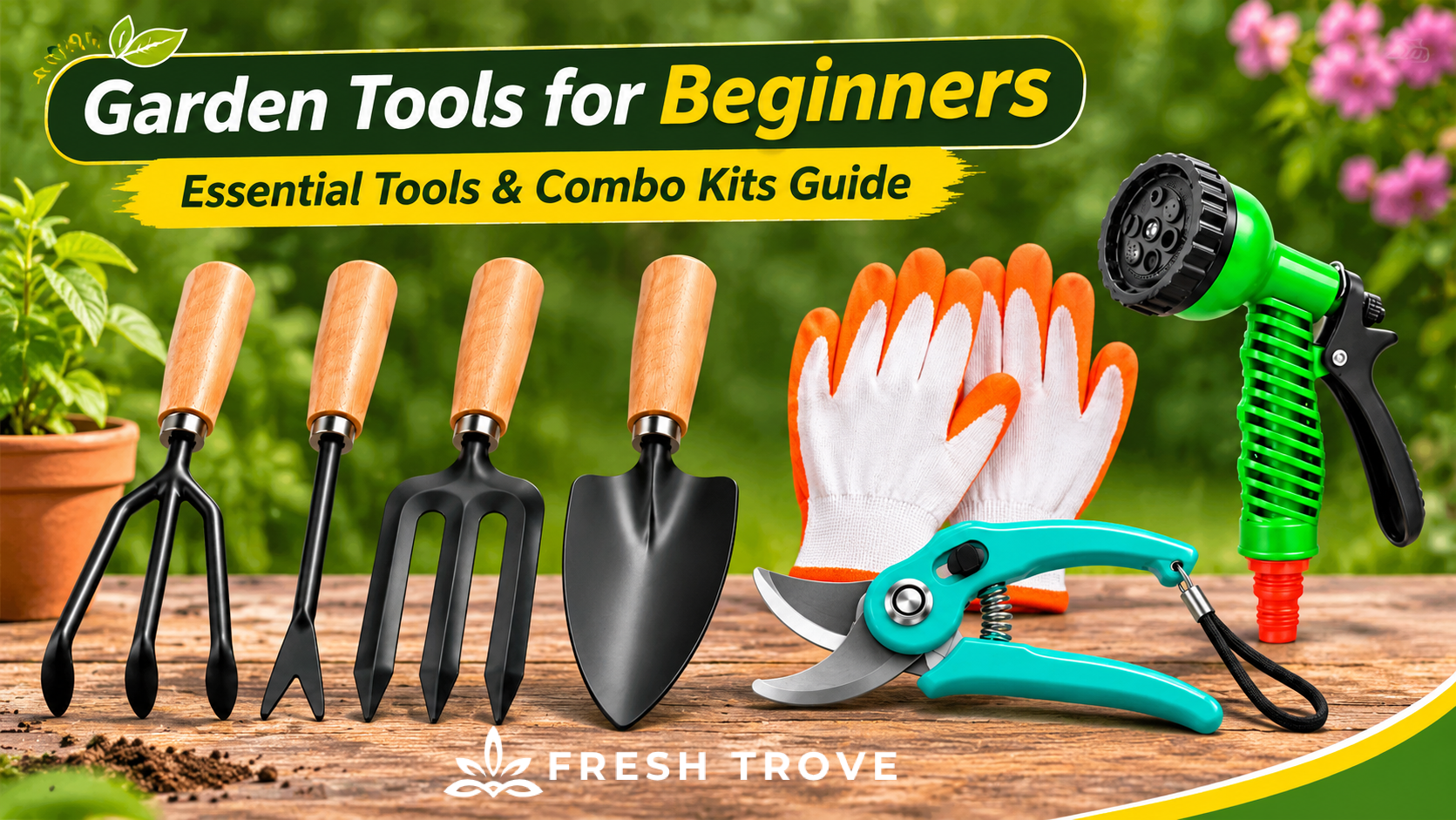
In this guide, Fresh Trove explains the essential gardening tools for beginners, what each tool does, how to choose the right equipment and which gardening tool combinations can make starting a home garden easier.
We will also explore gardening combo kits so you can compare ready-made sets instead of purchasing every tool separately.
Quick Answer: What Are the Essential Gardening Tools for Beginners?
If you are starting a home garden, these are some of the most useful tools to consider:
- Garden trowel – for digging small holes and planting.
- Hand cultivator – for loosening and aerating soil.
- Hand fork – for working soil around plants.
- Hand weeder – for removing weeds.
- Pruning shears – for trimming suitable stems and branches.
- Gardening gloves – for protecting your hands during garden work.
- Garden claw gloves – for digging, planting and loosening soil.
- Water spray gun – for watering and rinsing, depending on the nozzle.
- Watering can – for controlled watering.
- Garden scissors – for suitable light trimming and harvesting.
- Garden shovel – for moving soil and potting mixtures.
- Garden rake – for collecting leaves and levelling loose soil.
- Hand sprayer – for applying suitable liquid garden treatments.
- Planting tools – for transplanting and maintaining potted plants.
- Garden storage bag or tool organiser – for keeping equipment together.
You do not need all 15 tools immediately. Your garden size, plant types and gardening activities should determine what you buy first.
1. Why Do Beginners Need the Right Gardening Tools?
Gardening involves several different activities. Preparing soil, planting seeds, transplanting seedlings, watering plants, removing weeds and trimming branches all require different types of tools.
Using an appropriate tool for each task makes gardening more organised and helps you avoid unnecessary effort.
For example:
- A trowel is more suitable for digging small planting holes than a large shovel.
- A cultivator helps loosen soil around plants.
- Pruning shears are designed for cutting suitable stems and branches.
- Gardening gloves help protect your hands while working with soil and plants.
- A watering can allows controlled watering around individual plants.
The objective is not to own the largest collection of gardening tools. It is to have the right tools for the work you regularly perform.
Benefits of having a basic gardening toolkit
Better task preparation: You can keep the tools required for planting, watering, weeding and pruning ready.
More organised gardening: A dedicated toolkit helps prevent unnecessary searching for equipment.
Suitable tool selection: Different gardening activities require different tool designs.
Easier routine maintenance: Keeping basic tools available makes everyday garden care more convenient.
Room to expand: You can begin with essential tools and add specialised equipment as your garden develops.
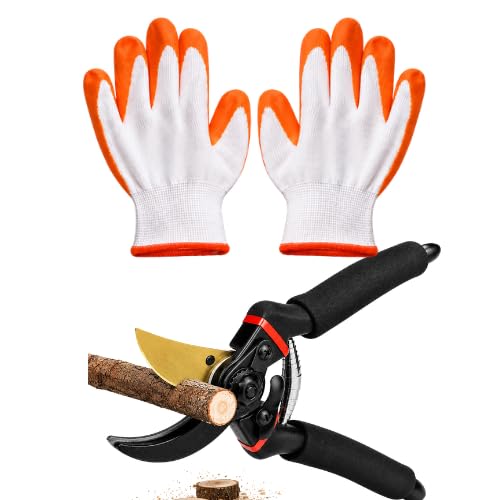
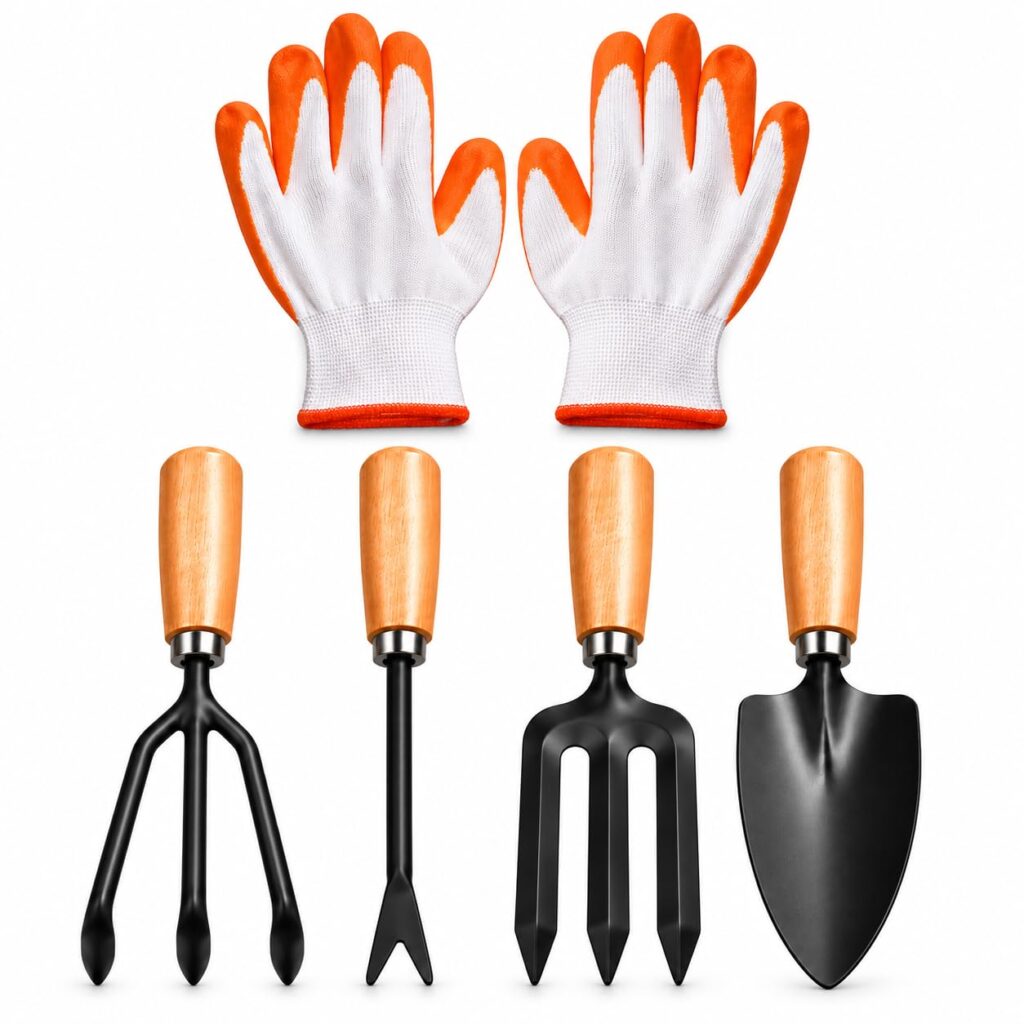
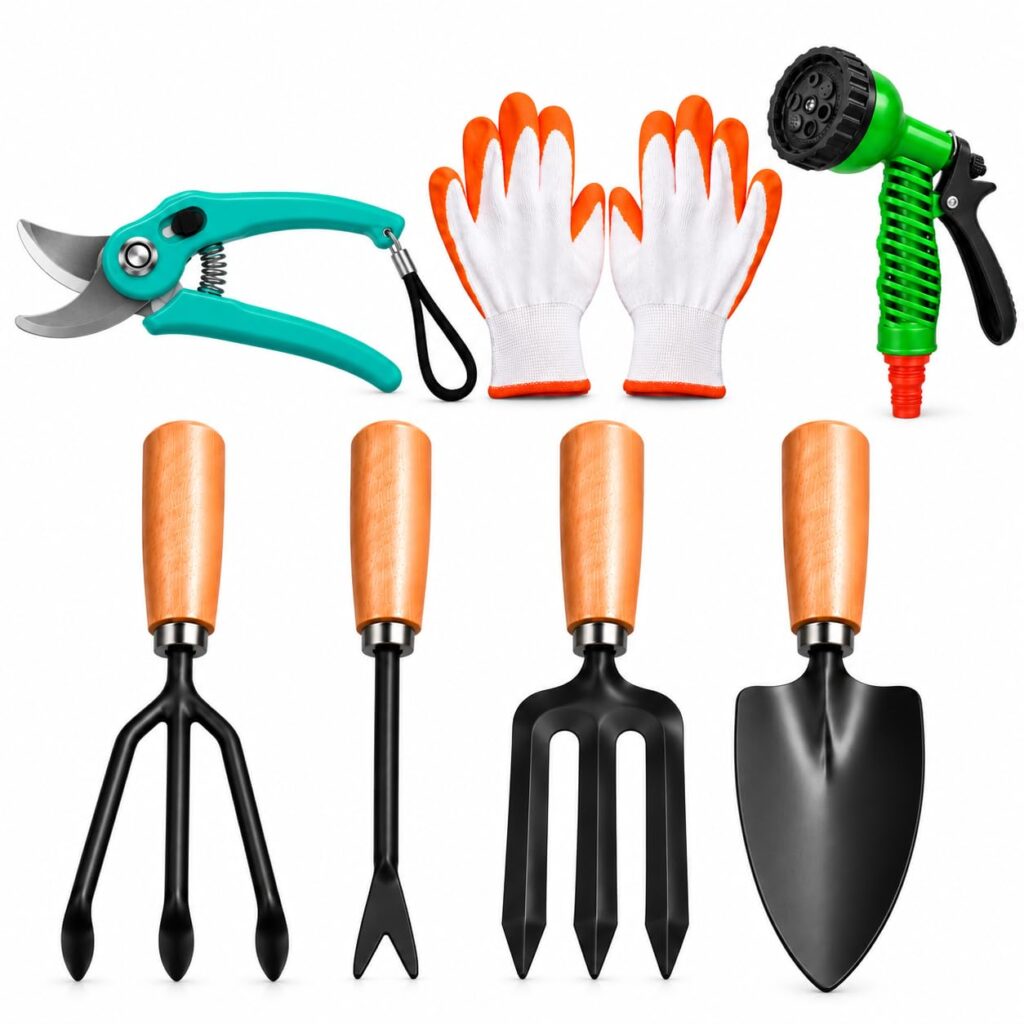
2. 15 Essential Gardening Tools for Beginners
Let’s understand the purpose of each tool and when you might need it.
1. Garden Trowel
A garden trowel is one of the most useful hand tools for beginners.
It usually has a small, scoop-shaped blade attached to a handle. The blade helps move soil, dig small holes and transfer potting mixtures.
Common uses:
- Digging small holes for seedlings.
- Planting flowers and herbs.
- Transferring soil into pots.
- Mixing small quantities of potting media.
- Removing small plants when appropriate.
Buying tip: Look for a comfortable handle and a blade that feels sturdy enough for the soil conditions in your garden.
A trowel is particularly useful for balcony gardens, container gardening and small home gardens.
2. Hand Cultivator
A hand cultivator is used to loosen and work the soil around plants.
It commonly features several prongs or curved tines that help break up loose soil and improve the structure of the upper soil layer.
Common uses:
- Loosening compacted surface soil.
- Breaking up small soil clumps.
- Mixing compost into the upper soil layer.
- Preparing planting areas.
- Working soil around established plants carefully.
Buying tip: Check the strength of the tines and the handle construction. Avoid applying excessive force when working in hard or rocky soil.
3. Garden Hand Fork
A garden hand fork is another useful tool for small-scale soil preparation.
It generally has several metal prongs and a handle. Its design allows you to work the soil in areas where a larger garden fork would be difficult to use.
Common uses:
- Loosening soil around plants.
- Working compost into the soil.
- Lifting small weeds.
- Preparing small planting areas.
- Working around pots and containers.
A hand fork and a cultivator may appear similar, but their exact designs and intended uses can differ.
4. Hand Weeder
Weeds compete with garden plants for space, water, light and nutrients.
A hand weeder is designed to help remove unwanted plants from the soil.
Common uses:
- Removing small weeds.
- Working around plants and pots.
- Loosening soil around unwanted growth.
- Maintaining garden beds.
Buying tip: Choose a weeder with a suitable tip and handle for the type of soil and weeds you encounter.
For deep-rooted weeds, a tool designed specifically for root removal may be more suitable than a basic hand weeder.
5. Pruning Shears
Pruning shears, also called garden pruners or secateurs, are handheld cutting tools used to trim suitable plant stems and branches.
They are important for maintaining shrubs, flowering plants, herbs and other garden growth.
Common uses:
- Removing unwanted stems.
- Trimming suitable branches.
- Cutting back certain flowering plants.
- Removing damaged plant growth.
- Maintaining the shape of shrubs.
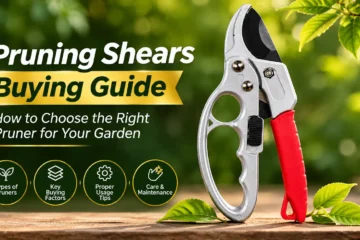
Types of pruning shears:
- Bypass pruners use two blades that pass one another.
- Anvil pruners use a cutting blade that closes against a supporting surface.
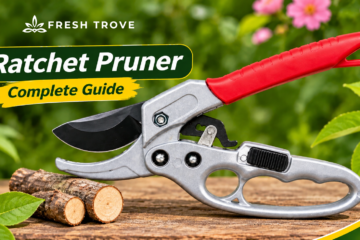
- Ratchet pruners use a staged cutting mechanism.
Choose a pruning shear based on the type and size of material you need to cut.
Buying tip: Check blade material, cutting capacity, handle design and safety-lock features before purchasing.
Never use a small hand pruner for branches beyond its specified cutting capacity.
6. Gardening Gloves
Gardening gloves are useful for everyday garden activities.
They help protect your hands from dirt, rough surfaces and minor contact with garden materials.
Common uses:
- Handling potting soil.
- Planting seedlings.
- Removing weeds.
- Handling garden tools.
- General outdoor gardening.
What to check when buying:
- Correct hand size.
- Comfortable fit.
- Suitable material.
- Grip and flexibility.
- Ease of cleaning.
- Intended gardening application.
Choose gloves according to the work you perform. A lightweight glove may suit planting and routine garden work, while heavier tasks may require more protective gloves.
7. Garden Claw Gloves
Garden claw gloves are a specialised type of gardening glove that includes plastic claws, commonly positioned on the fingertips of one hand.
They are designed to help with certain soil-related activities.
Common uses:
- Digging in loose soil.
- Making small planting holes.
- Loosening the surface soil.
- Weeding around plants.
- Moving and working with loose garden material.
Garden claw gloves are not a complete replacement for trowels, cultivators or other soil-working tools. Their suitability depends on the soil condition and task.
Buying tip: Check the claw material, glove fit, construction and which hand includes the claws before purchasing.
8. Watering Can
Water is essential for plant growth, and a watering can is one of the simplest ways to water individual plants.
It allows you to control how much water is applied and where it goes.
Common uses:
- Watering potted plants.
- Watering seedlings.
- Maintaining balcony gardens.
- Watering small garden beds.
- Applying water around plant roots.
Buying tip: Choose a capacity that you can comfortably lift when full. A removable rose or suitable watering head can help distribute water more gently.
Avoid watering every plant on the same fixed schedule. Watering requirements vary with plant type, soil, temperature, container size and weather.
9. Garden Water Spray Gun
A garden spray gun or hose nozzle attaches to a compatible garden hose and helps control the flow of water.
Different spray patterns can be useful for different watering and cleaning tasks.
Common uses:
- Watering plants with a suitable spray setting.
- Rinsing garden tools.
- Cleaning outdoor surfaces.
- Washing garden pots.
- General garden maintenance.
Buying tip: Check hose compatibility, nozzle adjustment and the available spray patterns.
For delicate seedlings, use a gentle spray rather than a strong water jet.
10. Garden Scissors
Garden scissors are useful for smaller cutting tasks that do not require a full-size pruning shear.
Common uses:
- Trimming suitable soft stems.
- Harvesting certain herbs.
- Removing small leaves.
- Light plant maintenance.
- Cutting suitable garden materials.
Garden scissors and pruning shears are not interchangeable for every task. Choose according to the size and nature of the material being cut.
11. Garden Shovel
A garden shovel is useful for moving larger quantities of soil, compost and other garden materials.
Compared with a small hand trowel, a shovel generally has a larger blade and is designed for more substantial digging and material movement.
Common uses:
- Moving soil.
- Filling garden beds.
- Transferring compost.
- Digging planting areas.
- Preparing larger spaces.
For a small balcony garden, a full-size shovel may not be necessary. A compact hand shovel can be more practical.
12. Garden Rake
A garden rake helps collect leaves, spread loose material and maintain garden surfaces.
Different rake designs are made for different tasks.
Common uses:
- Collecting fallen leaves.
- Gathering garden debris.
- Levelling loose soil.
- Spreading certain materials.
- Cleaning garden beds.
Choose a rake suitable for the surface and material you need to work with.
13. Hand Sprayer
A hand sprayer is used to apply suitable liquids in a controlled spray.
Depending on the design, it may be used for water, approved plant-care solutions or other manufacturer-approved applications.
Common uses:
- Misting plants when appropriate.
- Applying suitable plant-care solutions.
- Spraying certain approved treatments.
- Small-scale garden maintenance.
Important: Always follow the instructions on the product being applied. Never mix chemicals or use a sprayer for incompatible substances.
14. Planting and Transplanting Tools
Planting tools help with moving seedlings and working around established plants.
Depending on the gardening kit, these may include small transplanters, dibbers and other specialised hand tools.
Common uses:
- Making holes for seedlings.
- Transplanting young plants.
- Spacing plants.
- Working in pots and containers.
- Preparing small planting areas.
Beginners who grow plants in containers may find compact planting tools especially useful.
15. Garden Tool Organiser or Storage Bag
A tool organiser may not directly help plants grow, but it makes garden maintenance easier to manage.
It helps keep frequently used tools together and reduces the chance of misplacing small equipment.
Common uses:
- Storing hand tools.
- Carrying equipment around the garden.
- Keeping gloves and accessories together.
- Organising small gardening supplies.
Choose storage that suits the number and size of your tools.
3. Which Gardening Tools Should Beginners Buy First?
You do not need to purchase all 15 tools at once.
Start by identifying the type of gardening you want to do.
Basic starter tools
For someone starting a small home garden, these are useful first purchases:
| Tool | Main purpose | Priority |
|---|---|---|
| Garden trowel | Digging and planting | Essential |
| Hand cultivator | Loosening soil | Essential |
| Gardening gloves | Hand protection | Essential |
| Watering can or spray nozzle | Watering plants | Essential |
| Pruning shears | Trimming suitable stems | Useful |
| Hand weeder | Removing weeds | Useful |
| Garden fork | Soil preparation | Useful |
Your first toolkit should cover the gardening activities you perform most often.
Tools you can buy later
As your garden expands, you may consider:
- Larger garden shovels.
- Rakes.
- Specialised pruning tools.
- Garden sprayers.
- Long-reach tree pruners.
- Additional soil-working equipment.
- Larger tool storage solutions.
This approach prevents unnecessary purchases and helps you build a toolkit that matches your actual requirements.
4. Gardening Tools for Different Types of Home Gardens
The right tools also depend on where and how you garden.
A. Balcony Gardening
Balcony gardening usually involves pots, containers and limited growing space.
Useful tools include:
- Small garden trowel.
- Compact cultivator.
- Gardening gloves.
- Watering can.
- Garden scissors.
- Small pruning shears.
- Hand weeder.
A compact tool kit is usually more practical than large garden equipment.
B. Terrace Gardening
Terrace gardens may include grow bags, pots, raised beds and larger containers.
Useful tools include:
- Garden trowel.
- Hand cultivator.
- Garden fork.
- Pruning shears.
- Gardening gloves.
- Water spray gun.
- Hand sprayer.
- Soil-moving tools.
If you maintain a larger terrace garden, you may also need additional watering and soil-preparation equipment.
C. Backyard Gardening
Backyard gardening can involve flower beds, shrubs, vegetables and larger plants.
Useful tools include:
- Garden shovel.
- Hand trowel.
- Cultivator.
- Garden rake.
- Pruning shears.
- Gardening gloves.
- Garden hose and spray nozzle.
- Suitable branch-cutting tools.
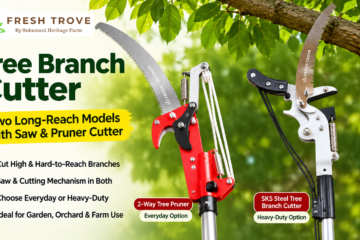
For trees and larger branches, a hand pruner may not be sufficient. Choose a suitable pruning saw or long-reach tree pruning tool according to the job.
D. Vegetable Gardening
Vegetable gardens require regular soil preparation, planting, watering and harvesting.
Useful tools include:
- Trowel.
- Hand cultivator.
- Hand fork.
- Weeder.
- Gardening gloves.
- Watering can.
- Garden scissors.
- Suitable harvesting tools.
The exact tools depend on the vegetables you grow and the size of your growing area.
5. Gardening Tools for Beginners in India: What Should You Consider?
Indian home gardens can be very different from one another.
Some people grow plants on apartment balconies, while others maintain terrace gardens, kitchen gardens, backyard vegetable patches or ornamental gardens.
Climate, soil, available space and seasonal conditions can all influence the tools you need.
Here are a few practical considerations.
Soil conditions
If your garden has loose potting soil, small hand tools may be sufficient.
If the soil is compacted or contains stones, you may need sturdier soil-working tools.
Do not assume that a small gardening tool is suitable for heavy digging.
Available space
A balcony gardener may prefer compact equipment, while someone maintaining a backyard may need larger tools.
Water availability
Consider whether you need a watering can, hose nozzle or spray gun.
Choose a watering method that allows you to control water flow according to the plants’ requirements.
Plant types
Flowering plants, herbs, vegetables, shrubs and trees have different maintenance requirements.
For example, pruning shears are useful for suitable stems and branches, but they are not a substitute for a saw when dealing with larger branches.
Frequency of gardening
If you garden every day, comfortable handles and easy-to-maintain tools become more important.
If you garden occasionally, a basic toolkit may be sufficient.
6. What Is a Gardening Combo Kit?
A gardening combo kit is a collection of two or more gardening tools or accessories sold together as one set.
Instead of buying every tool separately, a buyer can purchase a combination that covers several gardening activities.
A gardening combo kit may include:
- Trowel.
- Cultivator.
- Hand fork.
- Weeder.
- Pruning shears.
- Gardening gloves.
- Garden scissors.
- Watering accessories.
- Other garden tools.
The exact contents vary from one kit to another.
Some sets focus on soil preparation, while others combine cutting tools, gloves and planting accessories.
Why consider a gardening combo kit?
Convenience: Multiple tools are available together.
Task coverage: A combination may include tools for different gardening activities.
Simpler selection: Beginners can compare a complete set instead of researching every tool separately.
Organised purchasing: A combo kit can help build a basic gardening collection in one purchase.
Potential value: Depending on the included items and pricing, buying a set may be more economical than purchasing each item individually.
However, a larger tool count does not automatically mean a better kit. The actual contents, quality and usefulness matter more than the number of pieces.
7. How to Choose the Right Gardening Combo Kit
Before purchasing a gardening combo kit, consider the following points.
7.1 Check the actual contents
Read the product listing carefully.
A six-piece kit and a six-piece kit from another seller may contain completely different tools.
Check the individual items rather than relying only on the number in the title.
7.2 Match the kit to your gardening needs
A beginner growing plants in pots may need a trowel, cultivator and small gardening accessories.
Someone maintaining shrubs may benefit more from a set that includes suitable pruning shears.
7.3 Check material and construction
Look at the material of the blades, tines, handles and other components.
Product images and specifications should clearly explain what is included.
7.4 Check handle comfort
Tools should be comfortable to hold and operate.
Pay attention to grip design, handle shape and tool size.
7.5 Check whether gloves are included
Some gardening sets include gloves, while others contain only hand tools.
If gloves are important to you, confirm their inclusion in the product description.
7.6 Check product dimensions
A compact gardening kit may be ideal for balcony gardening but may not be suitable for heavier outdoor work.
7.7 Compare price with usefulness
Do not select a kit only because it has the highest number of pieces or the largest discount.
Consider how many of the included tools you will actually use.
7.8 Check product images and specifications
Make sure the product images, title, description and included-items list are consistent.
If a kit includes a particular accessory, its inclusion should be clearly stated.
8. Fresh Trove Gardening Combo Kits: Explore the Right Set for Your Garden
If you are new to gardening, choosing a ready-made tool combination can be a convenient way to begin.
Fresh Trove offers gardening products and tool combinations intended for practical home gardening needs.
Rather than selecting tools only by the number of pieces, consider what gardening activities each set helps you perform.
Explore Fresh Trove gardening tool combinations
We recommend organising your combo kit collection into the following groups, using only the products actually available in your store.
A. Basic Gardening Tool Sets
For beginners who need essential hand tools for everyday planting and soil preparation.
B. Soil Preparation and Planting Combos
For gardeners who regularly dig, loosen soil, transplant seedlings and prepare pots.
C. Pruning and Plant Care Combos
For people who maintain flowering plants, shrubs and suitable branches.
D. Gardening Gloves and Accessories Combos
For gardeners who want hand protection and useful accessories for routine garden work.
E. Multi-Purpose Gardening Tool Kits
For buyers who want several types of gardening tools in one collection.
Browse all Fresh Trove Gardening Combo Kits
Explore the available Fresh Trove gardening tool sets and compare their actual contents before choosing.
Explore Fresh Trove Gardening Tool Kits
For Amazon shoppers, each kit should also have its own clearly labelled Amazon product link, so readers can check the current listing, included items, availability and price.
Fresh Trove 4-Piece Garden Tool Set
One of the gardening sets currently featured on the Fresh Trove website is the 4-piece garden tool set.
Before adding this product to the final article, confirm the exact four included tools against the current product listing.
View product: Fresh Trove 4-Piece Garden Tool Set
The complete Fresh Trove combo kit catalogue should be displayed here once all Amazon listings have been verified.
9. Common Gardening Tool Buying Mistakes Beginners Should Avoid
Buying the wrong gardening tools can lead to unnecessary expense and frustration.
Here are some common mistakes to avoid.
Buying too many tools at once
Beginners sometimes purchase a large collection before understanding their actual gardening needs.
Start with essential tools and expand gradually.
Choosing by piece count alone
A large kit may contain items you rarely use.
Check the actual contents and usefulness of each tool.
Ignoring tool dimensions
A tool that looks large in a product photograph may be much smaller in reality.
Check the listed dimensions and product specifications.
Ignoring blade material
For cutting tools, blade material and construction matter.
Do not assume that every steel blade has identical properties.
Using the wrong tool
Do not use small hand tools for jobs that require heavier equipment.
A garden pruner, for example, should only be used within its specified cutting capacity.
Ignoring safety features
Check safety locks on pruning tools and use appropriate gloves for the task.
Forgetting maintenance
Even good gardening tools need cleaning, drying and proper storage.
10. How to Maintain Your Gardening Tools
Tool maintenance is an important part of gardening.
Cleaning and storing equipment properly helps prevent unnecessary deterioration and keeps tools ready for future use.
Clean tools after use
Remove soil, sap and plant residue from the tools.
Dry metal components
Wipe tools dry after cleaning, especially around joints and blades.
Inspect cutting tools
Check pruning shears and garden scissors for damage, looseness and dullness.
Check handles
Inspect handles for cracks, looseness or damage.
Store safely
Keep sharp tools closed and secured with their safety locks where provided.
Organise your toolkit
Store smaller tools together in a box, bag or suitable organiser.
Keep tools away from children and store them in a dry location.
12. Frequently Asked Questions About Gardening Tools for Beginners
Q1. What are the most essential gardening tools for beginners?
The most useful starting tools include a garden trowel, hand cultivator, gardening gloves, watering can or hose nozzle, and suitable pruning shears. These cover several common home gardening activities.
Q2. Which gardening tools should I buy first?
Start with tools for soil preparation, planting, watering and basic plant maintenance. A trowel, cultivator, gloves and watering equipment are practical first purchases for many home gardeners.
Q3. Is a gardening combo kit worth buying?
A gardening combo kit can be useful if it contains tools you actually need. Compare the included items, material, dimensions and price rather than choosing only by the number of pieces.
Q4. What should a beginner gardening kit contain?
A basic beginner kit may contain a trowel, cultivator, hand fork, weeder and suitable gloves. Some kits may also include pruning shears or watering accessories.
Q5. What are the best gardening tools for balcony gardening?
Compact hand tools are usually practical for balcony gardening. Consider a small trowel, cultivator, gloves, watering can, garden scissors and suitable pruning shears.
Q6. Are gardening gloves necessary?
Gardening gloves are useful for protecting hands during soil preparation, planting, weeding and general garden work. Choose gloves appropriate for the task.
Q7. What is the difference between a hand cultivator and a hand fork?
A hand cultivator is commonly used to loosen and work the surface soil. A hand fork is used to lift, loosen and work soil around plants. Their designs can overlap, depending on the product.
Q8. What is the difference between pruning shears and garden scissors?
Pruning shears are designed for cutting suitable stems and branches, while garden scissors are generally intended for smaller and lighter cutting tasks.
Q9. What are garden claw gloves used for?
Garden claw gloves have built-in claws that can help with digging in loose soil, making small planting holes and loosening the soil surface.
Q10. Can I use a garden pruner to cut thick branches?
Only if the branch is within the pruner’s specified cutting capacity. Larger branches may require a pruning saw or a suitable branch cutter.
Q11. How many gardening tools does a beginner need?
There is no fixed number. A beginner can start with a few essential tools and gradually expand the collection as gardening activities increase.
Q12. How do I choose a good gardening tool set?
Check the included tools, materials, dimensions, handle design, construction quality and whether the set matches your gardening needs.
Q13. What are the best gardening tools for terrace gardening?
Useful terrace gardening tools include a trowel, cultivator, hand fork, gloves, watering can or spray gun, pruning shears and hand sprayer.
Q14. How should gardening tools be stored?
Clean and dry tools after use. Keep cutting tools closed and locked where applicable, and store everything in a dry, organised place.
Q15. Are gardening tool kits suitable for children?
Adult gardening tools may have sharp blades, pointed ends or heavy components. Children should use age-appropriate tools under adult supervision.
13. Final Thoughts: Start Your Garden with the Right Tools
Starting a home garden does not require a large investment in equipment.
The best approach is to understand your gardening needs, identify the activities you will perform regularly and select practical tools for those tasks.
A garden trowel, cultivator, gloves, watering equipment and pruning shears can cover many basic gardening requirements. As your garden grows, you can add more specialised equipment.
If you prefer to purchase several tools together, a gardening combo kit can be a convenient option. Just remember to compare the actual contents and choose a set that matches your requirements.
At Fresh Trove, we believe that gardening should be practical, rewarding and accessible to everyone.
Whether you are growing your first balcony plant, starting a terrace vegetable garden or maintaining a backyard full of flowers, the right tools can help make everyday gardening more organised.
Fresh Trove – Practical Gardening Tools for Everyday Growing.
KNOW YOUR FOOD. GROW YOUR FOOD.